


Nawruz Festival in Bamyan
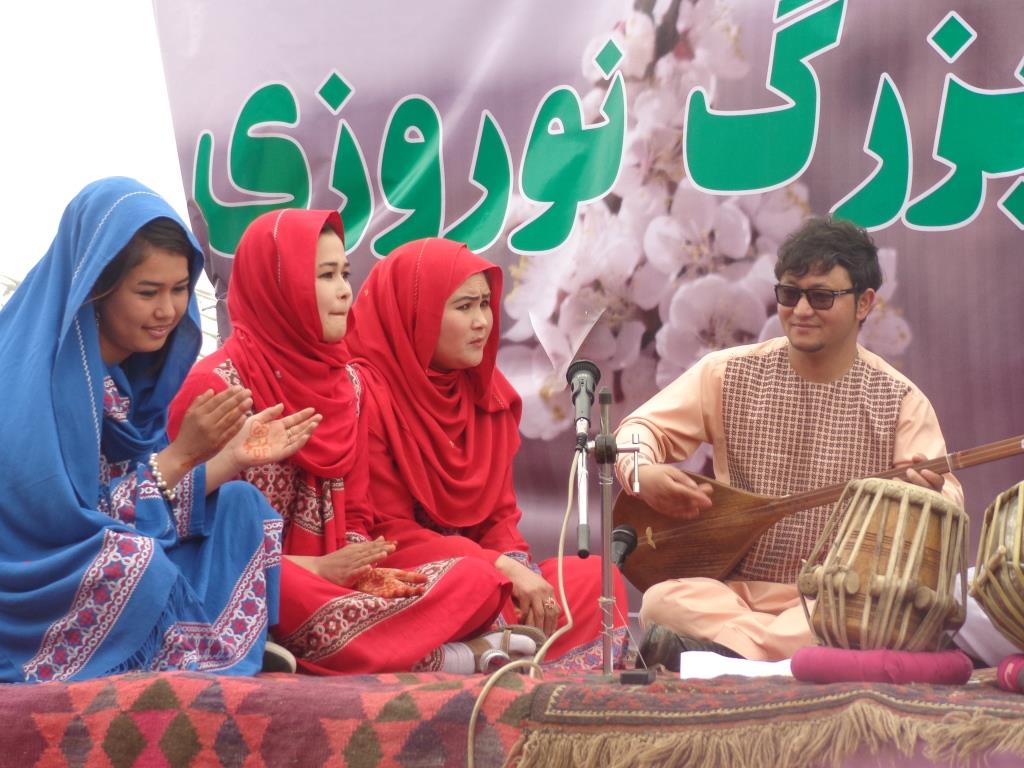
The ninth celebration of Nawruz was held in front of the caves of the Buddha statues. Music, poetry, theater, storytelling, acrobatic, a sport show and an agricultural exhibition were part of the event. The team…
The ninth celebration of Nawruz was held in front of the caves of the Buddha statues. Music, poetry, theater, storytelling, acrobatic, a sport show and an agricultural exhibition were part of the event. The team…
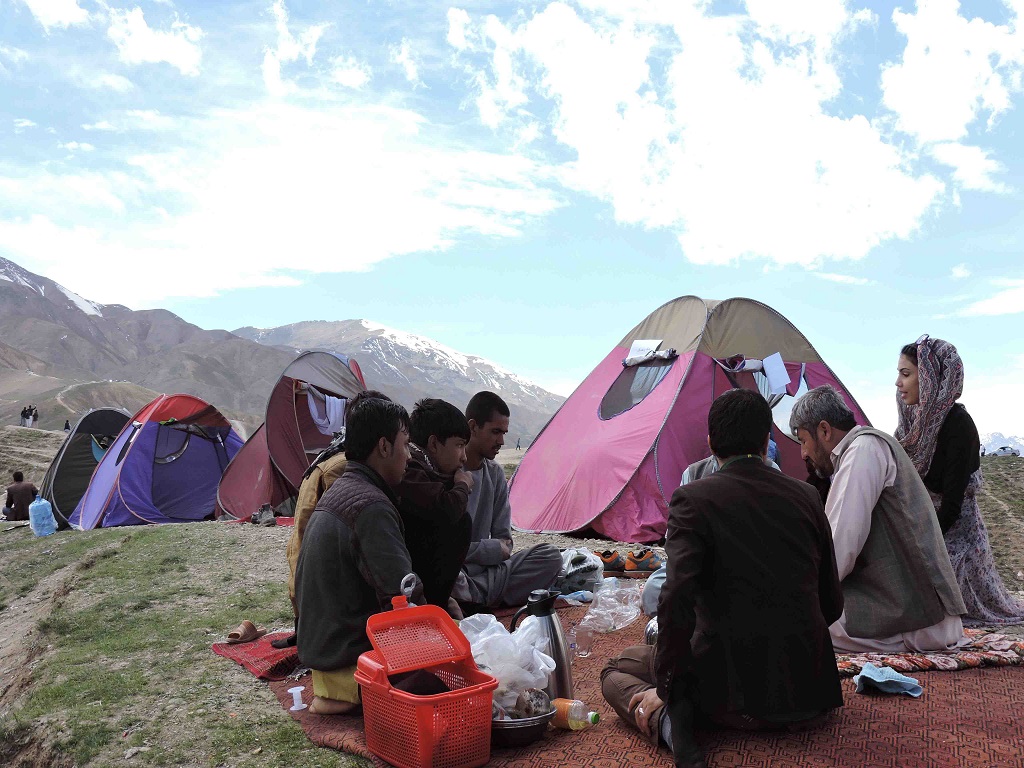
Sayed Jawid never had been a refugee and never had to live in a small tent. “I always lived with my family in a large and relatively good house. But today I went into such…
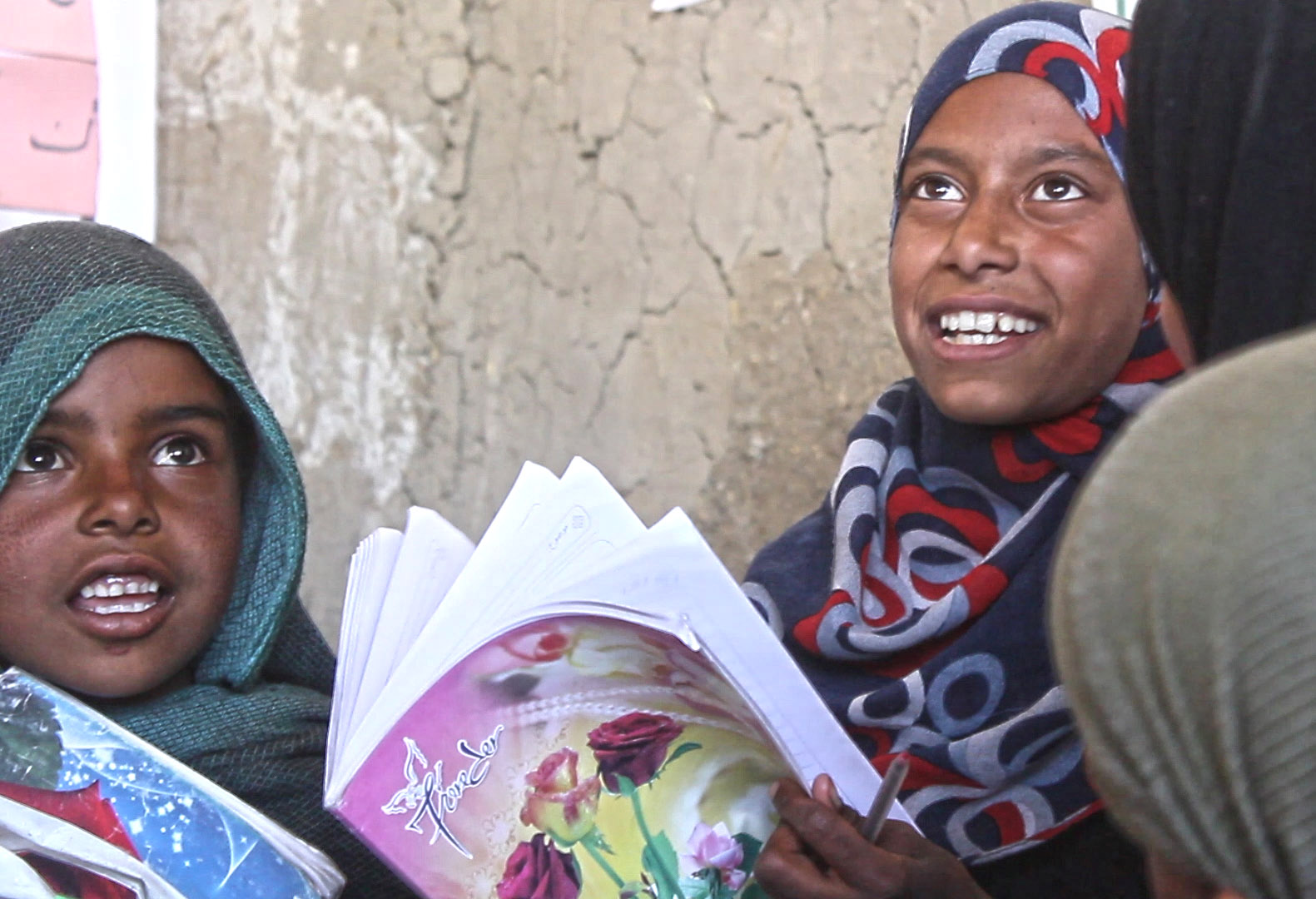
Every time I go to crowded areas of Kabul, I see many small children, teenagers and women who are begging. A major number of these are from returnees’ families who were forced to leave their…
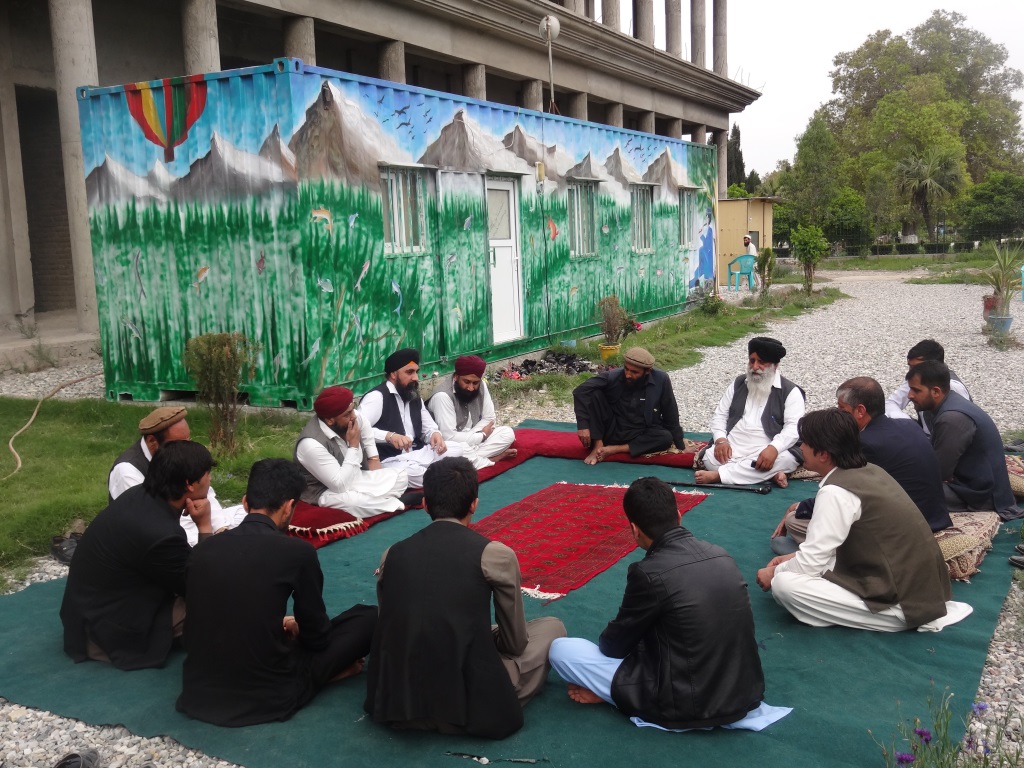
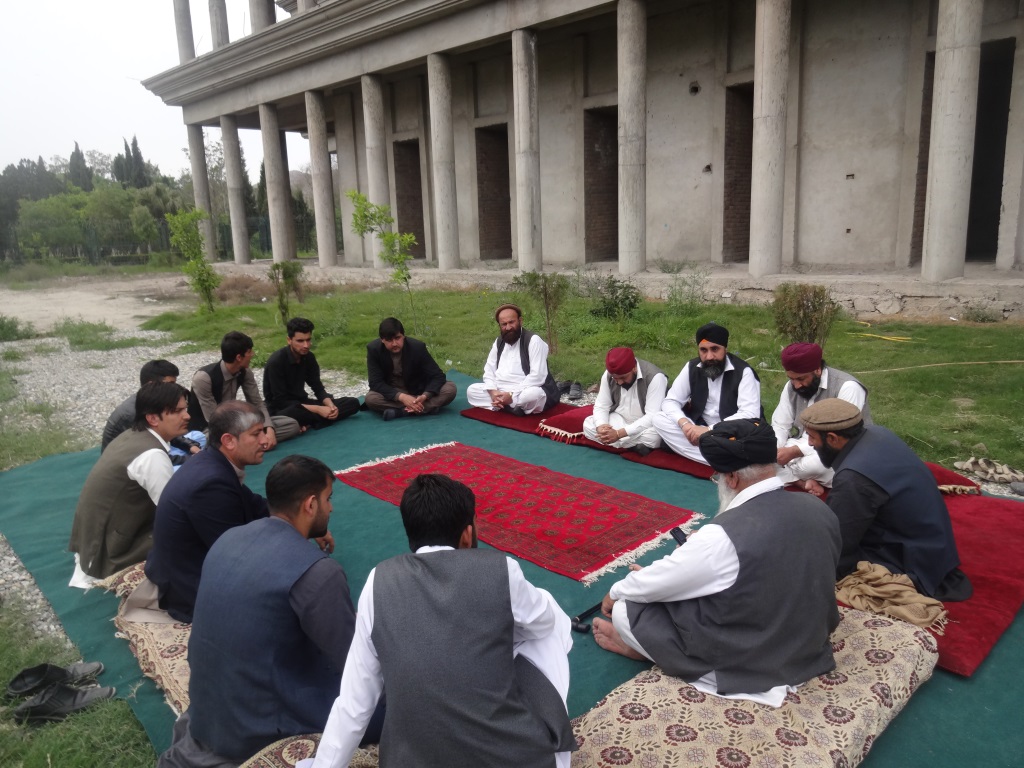 Breaking trust and cutting inter-community connections are among the worst outcomes of war and instability, which might lead to chaos and social catastrophes; initiating cultural dialogues and cultural exchange are efficient tools in rebuilding trust and reviving connections among communities.
Not centuries but just few decades ago, before the war, a huge number of Sikhs and Hindus were living in Afghanistan. They were forming around one to three percent of Afghanistan’s total population living in different cities including the capital Kabul and Jalalabad, Ghazni, Herat, Mazar, Kandahar and Lashergaah. But now the situation changed dramatically especially for religious and ethnical minorities such as Sikhs and Hindus. For those things went so bad and forced them to emigrate out of Afghanistan.
For centuries, Sikhs and Muslims were living quite peacefully together in Nangarhar. They shared joys and were helping each other in good and bad situations, they were trusted and friendly neighbors.